In the Kitchen
From eggs to the kitchen sponge — how long each thing lasts, and when it is really done.
The kitchen is where most things get thrown away too soon. A best-before date is not a throw-away date, and plenty of foods are perfectly fine well past it. For every item you will find the verified shelf life, concrete signs to look for and the right way to store it — so less ends up in the bin and more on your plate.

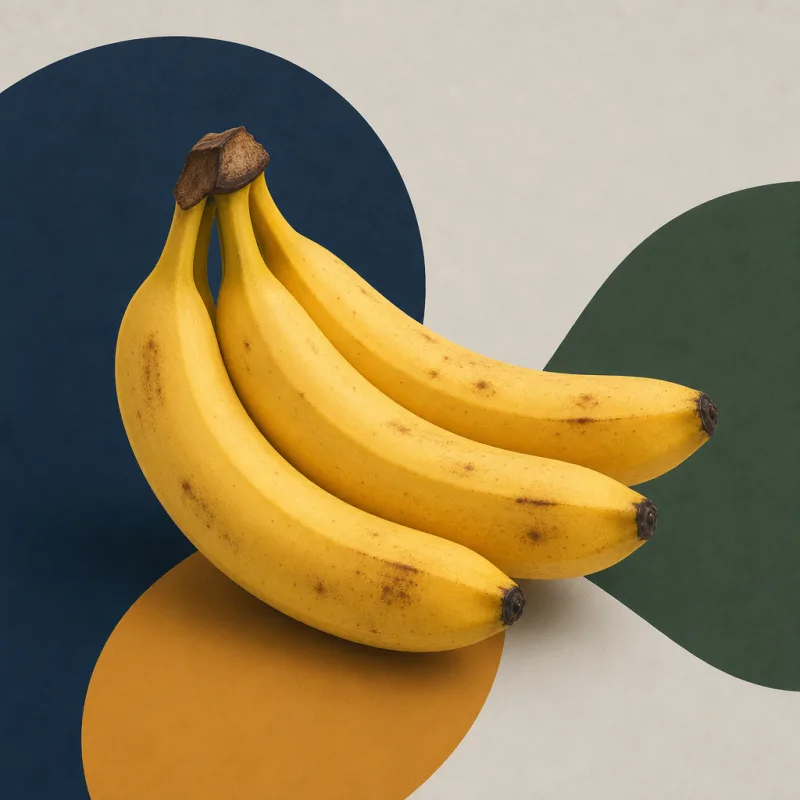
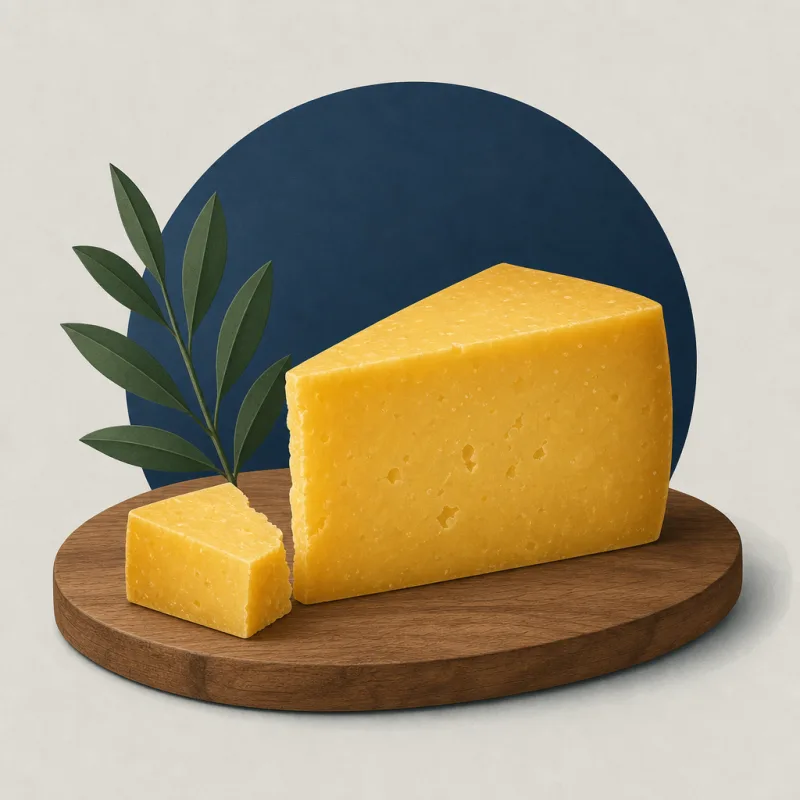
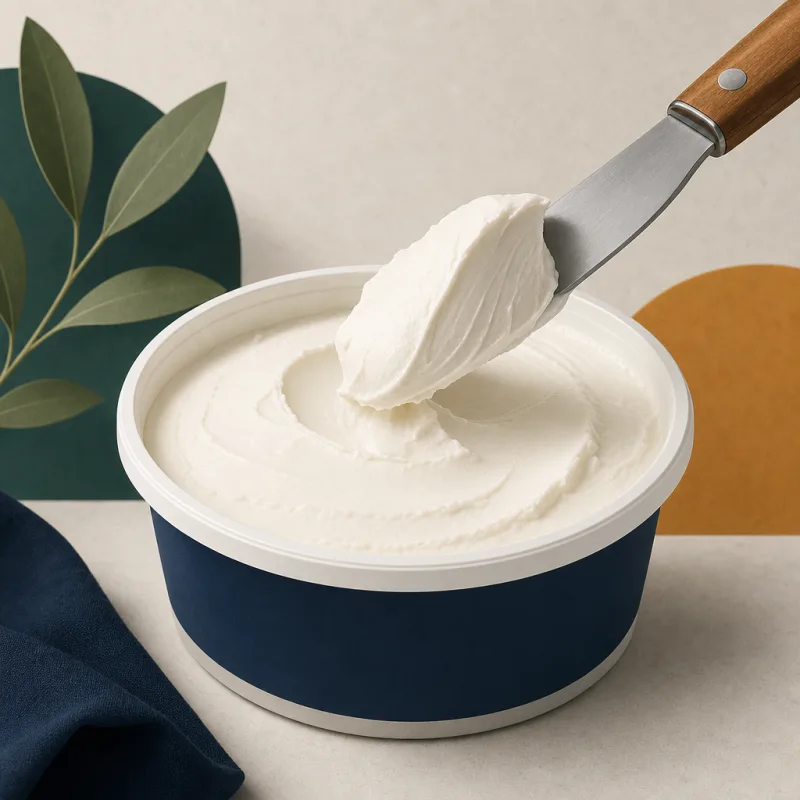

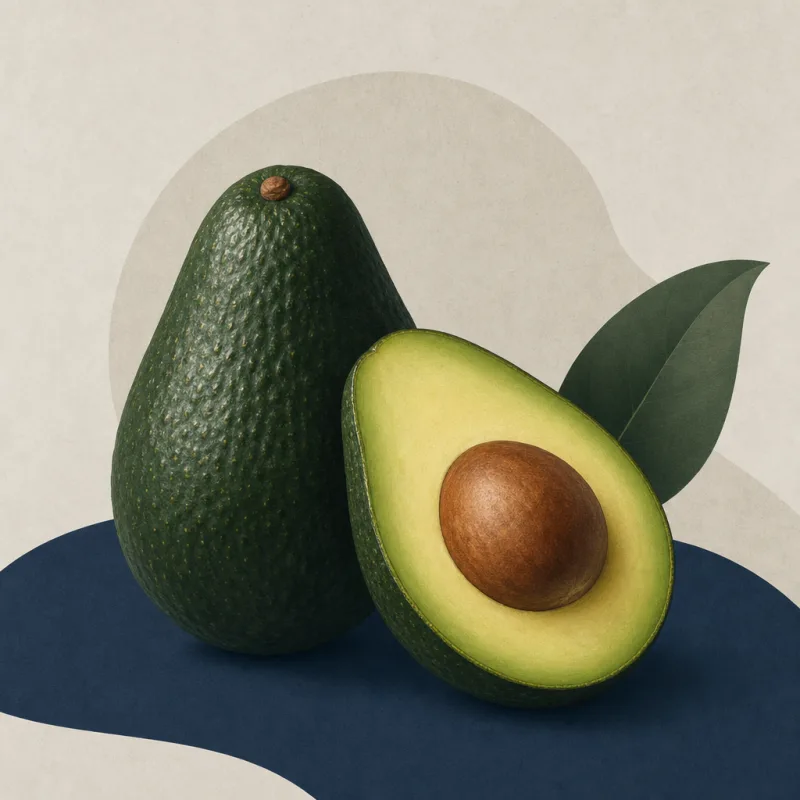







Quick overview
| Item | Shelf life | Status |
|---|---|---|
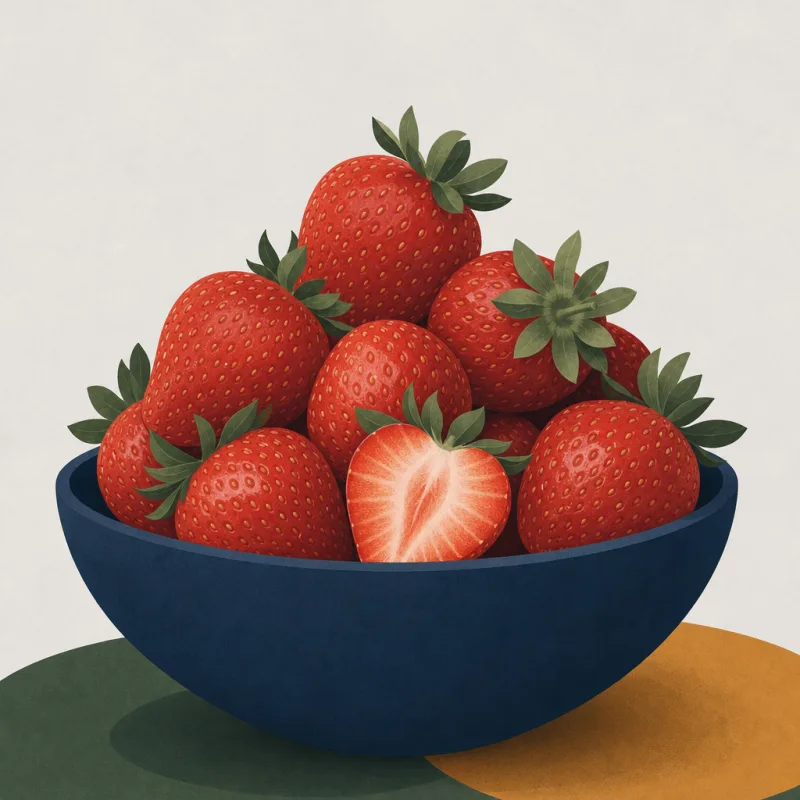
| Strawberries | 2–3 days | check soon |
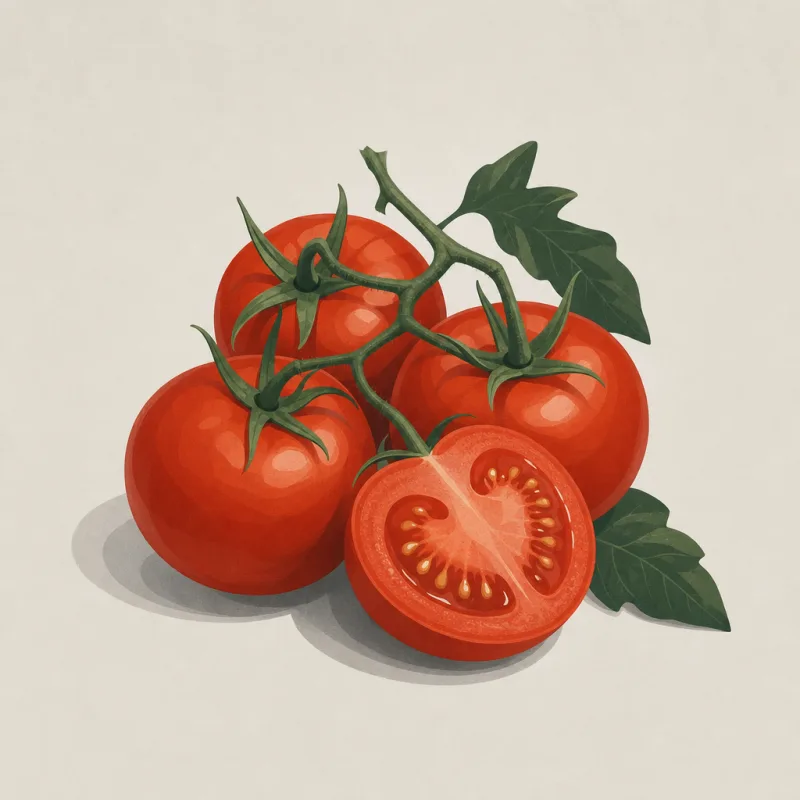
| Tomatoes | 5–7 days | check soon |
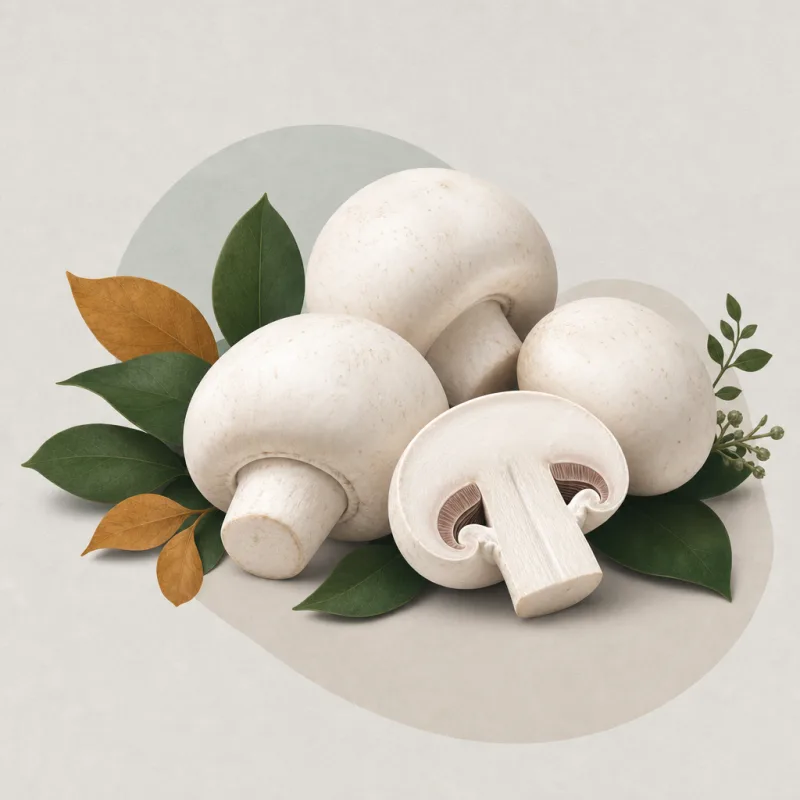
| Mushrooms | 3–7 days | check soon |
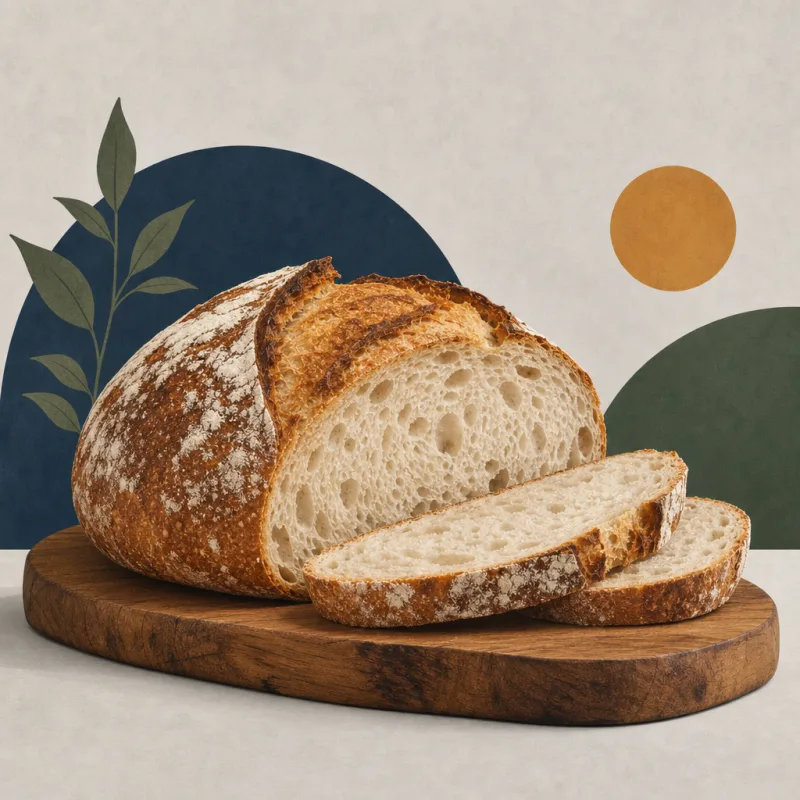
| Bread | 2–5 days | check soon |
| Heavy Cream | 5–7 days | check soon |
| Milk | 5–7 days | check soon |
| Champagne | 1–3 days | check soon |
| Cooked Chicken | 3–4 days | check soon |
| Olive Oil | 18–24 months | check soon |
| Bananas | 2–5 days | check soon |
| Cheese | 1–4 weeks | check soon |
| Cream Cheese | 2 weeks | check soon |
| Prosecco | 1–3 days | check soon |
| Avocado | 2–3 days | check soon |
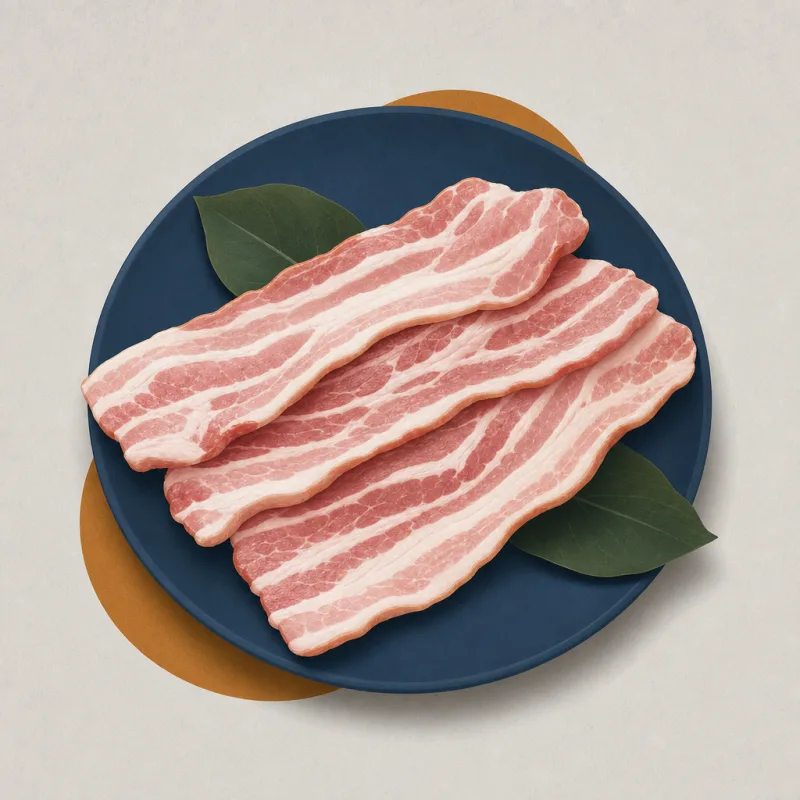
| Bacon | 1 week | check soon |
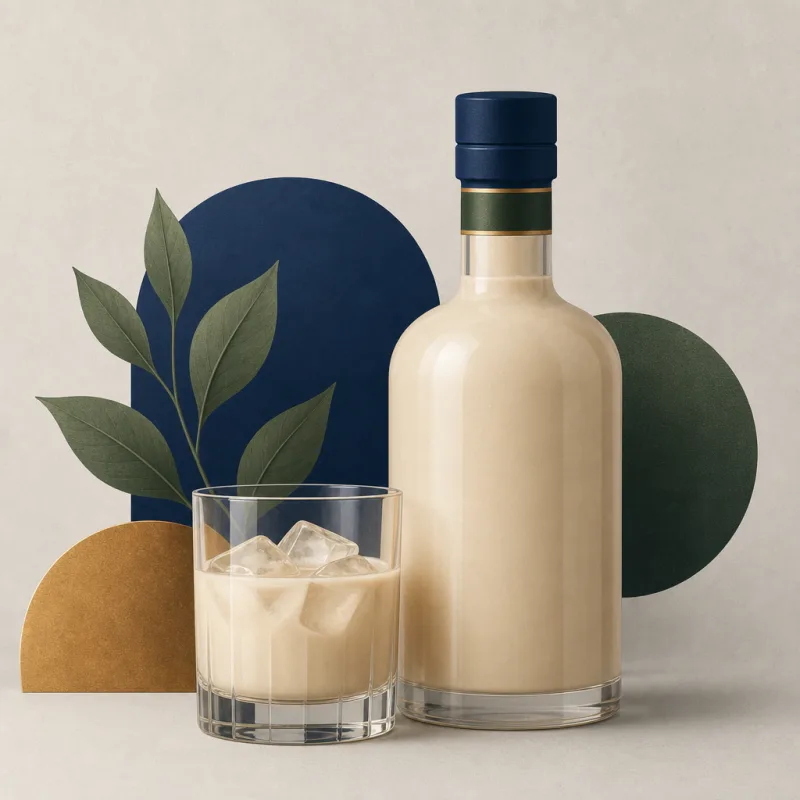
| Baileys | 6 months | check soon |
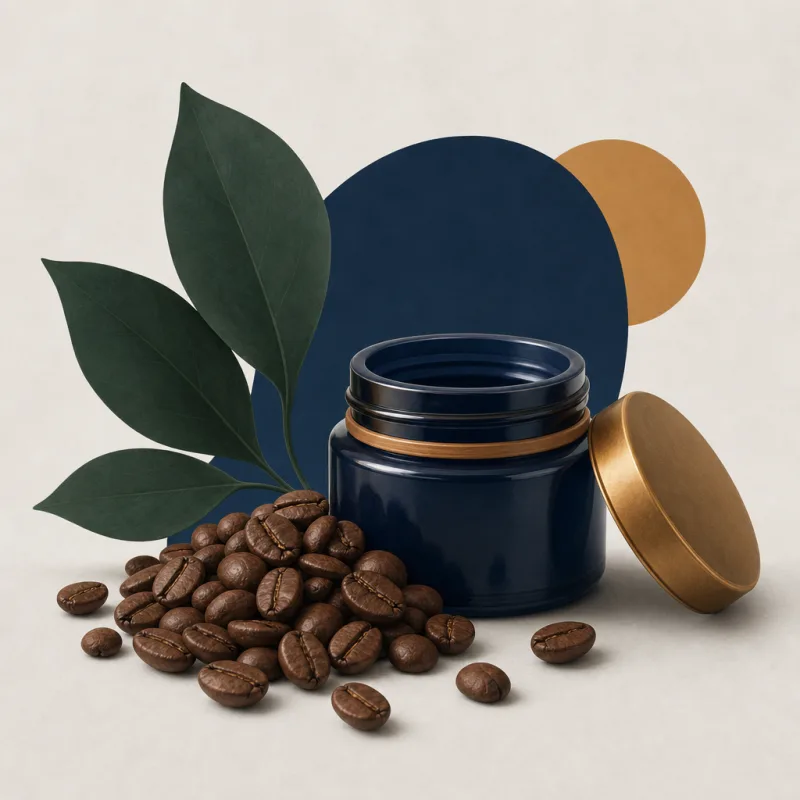
| Coffee | 3–4 weeks | check soon |
| Liqueur | 1–2 years | check soon |
| Wine | 3–5 days | check soon |
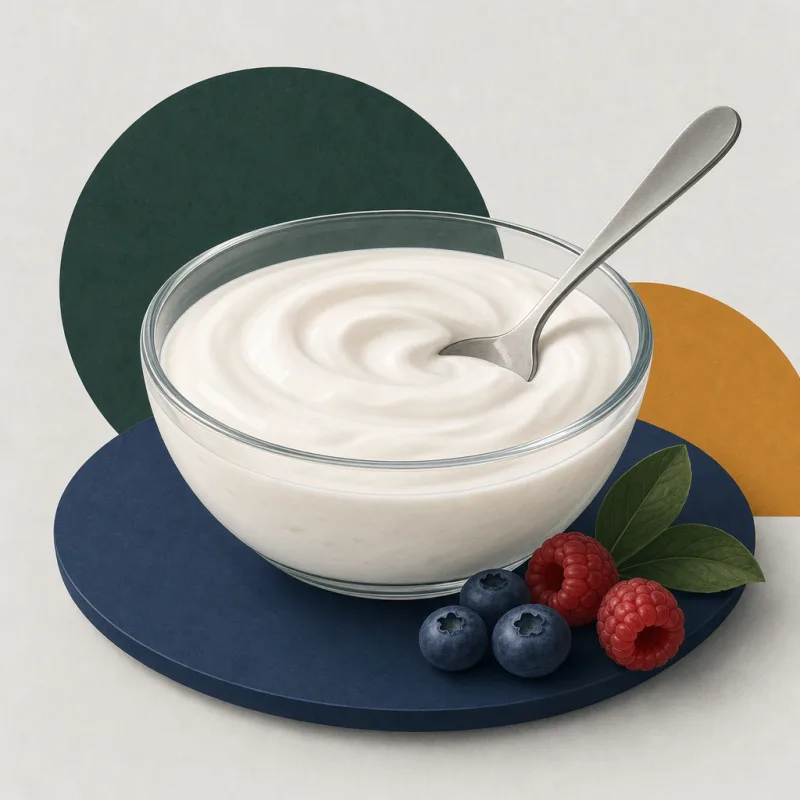
| Yogurt | 1–2 weeks | check soon |
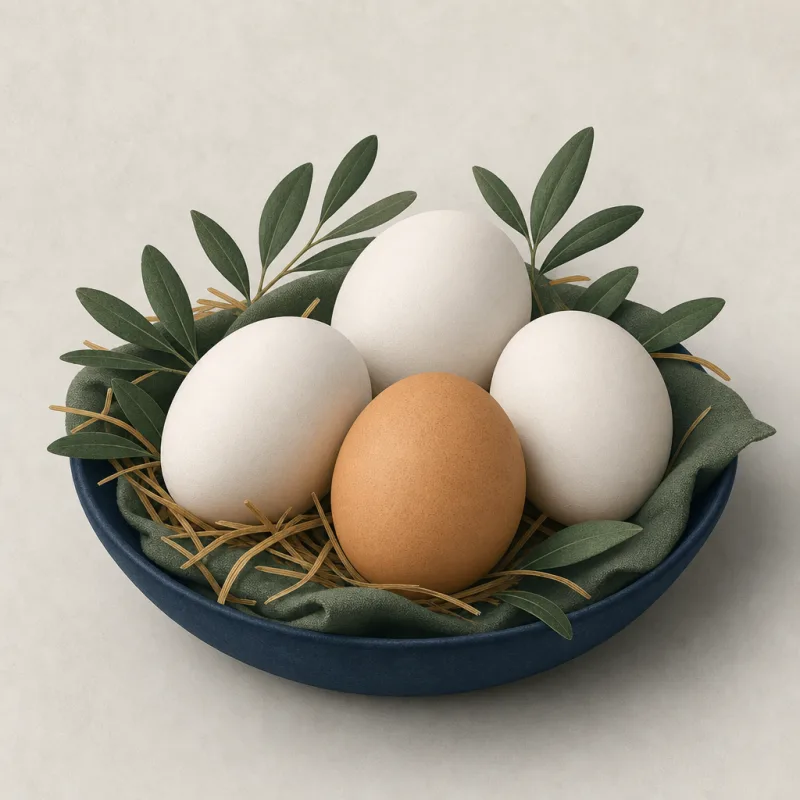
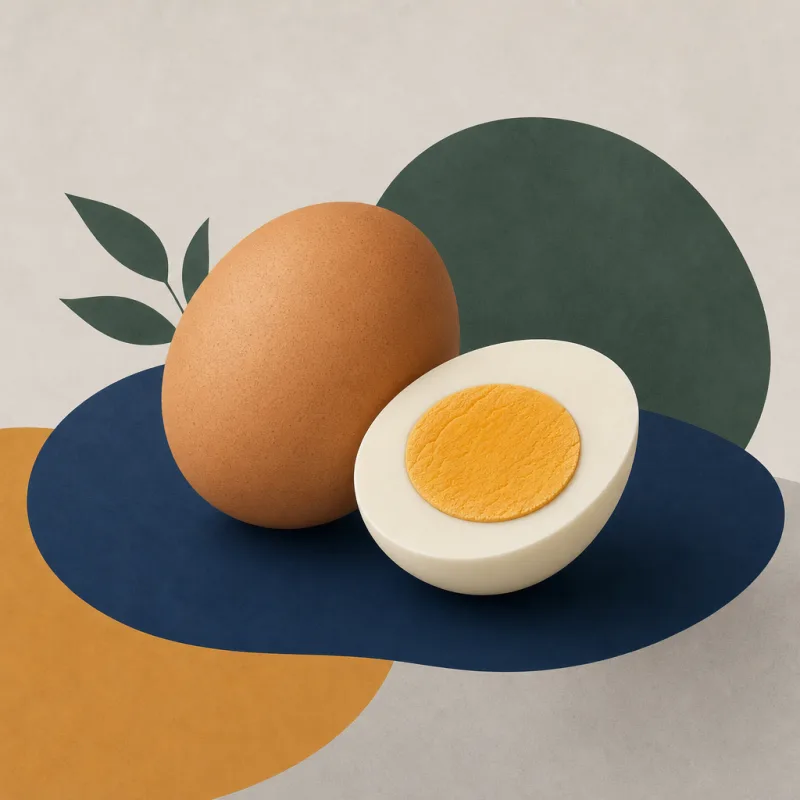
| Eggs | 5 weeks | still good |
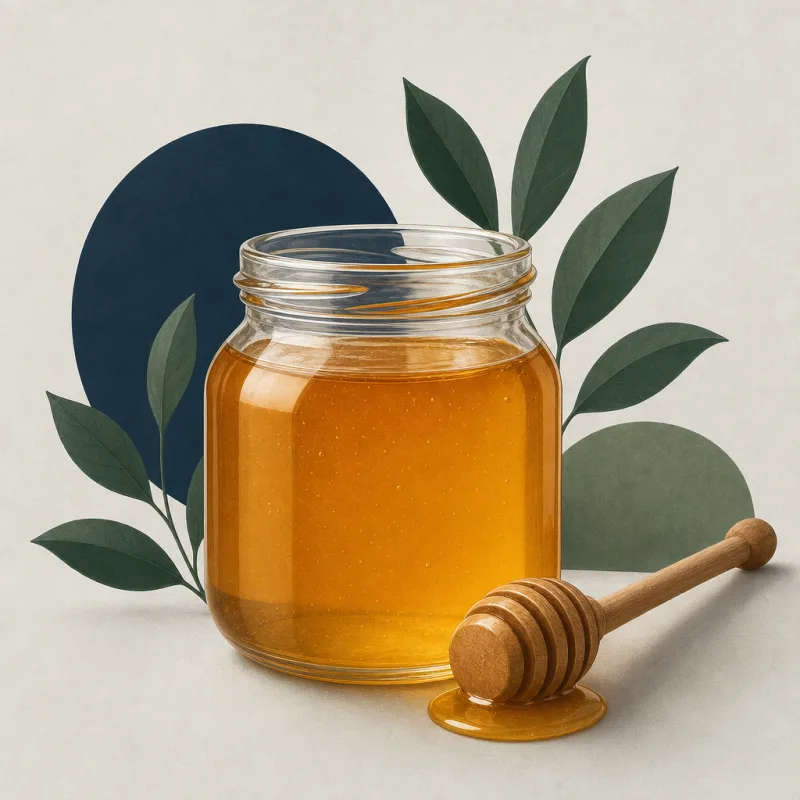
| Honey | Years | still good |
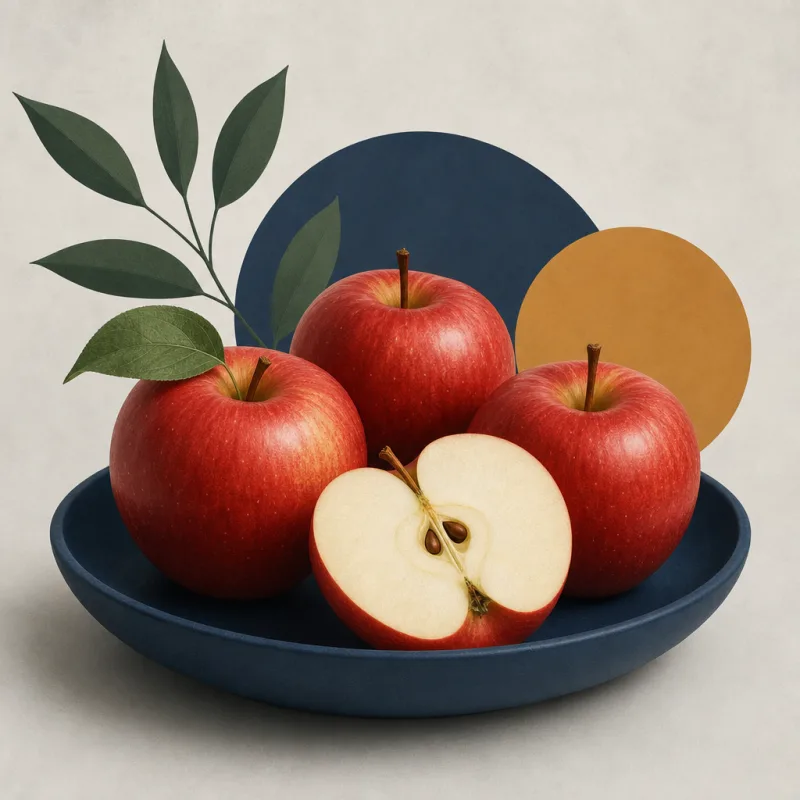
| Apples | 1–2 months | still good |
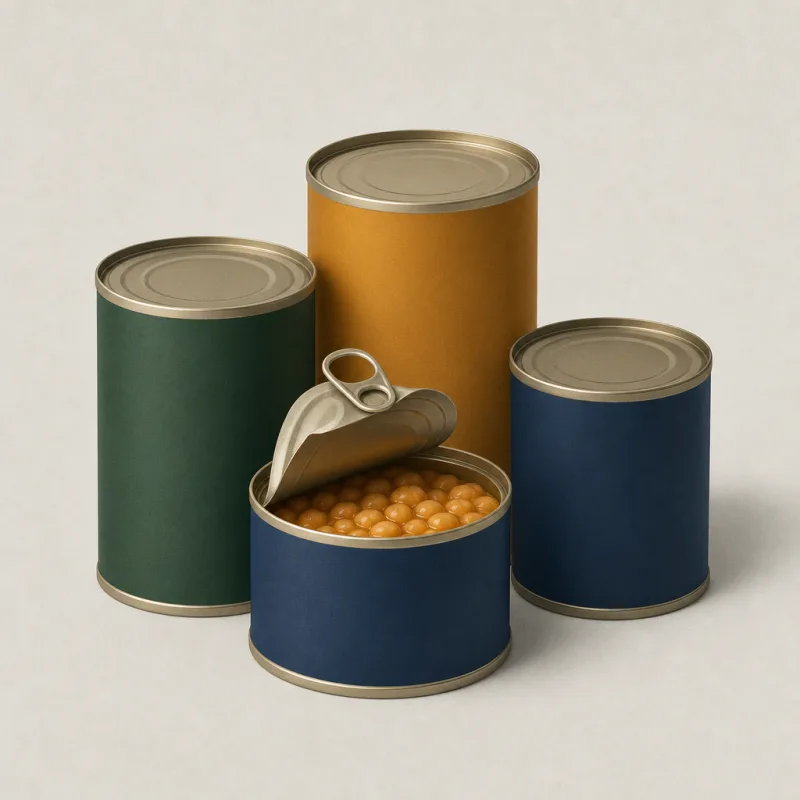
| Canned Food | years | still good |
| Hard-Boiled Eggs | 1 week | still good |
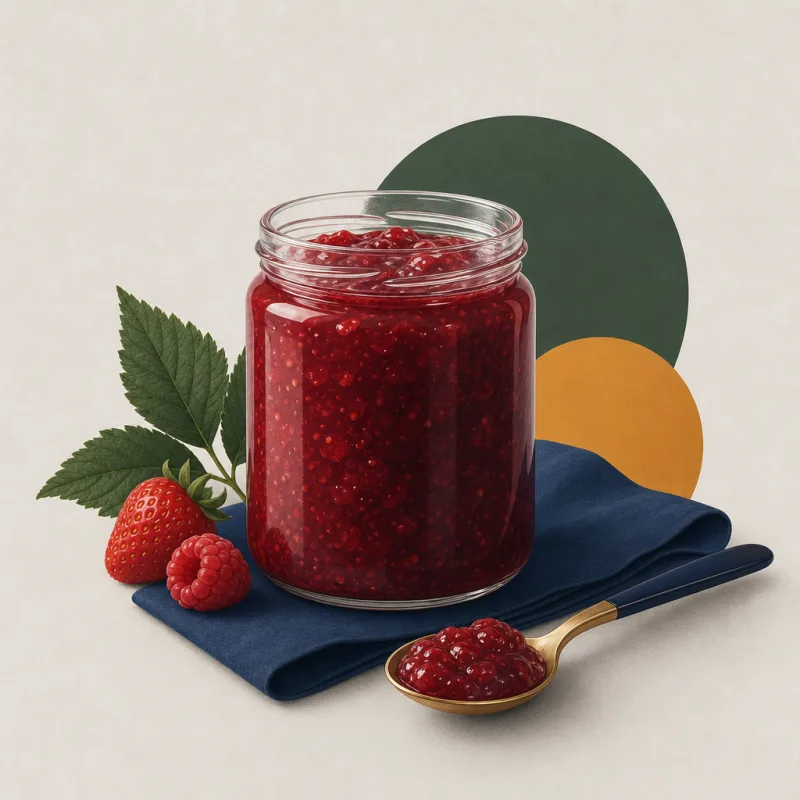
| Jam | 3–6 months | still good |
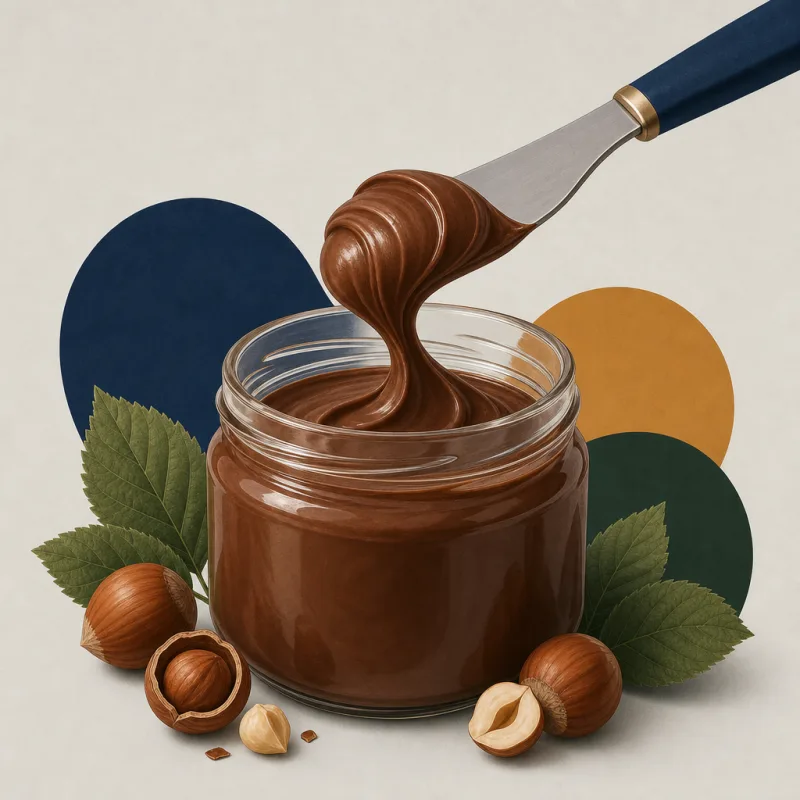
| Chocolate Hazelnut Spread | 1 year | still good |
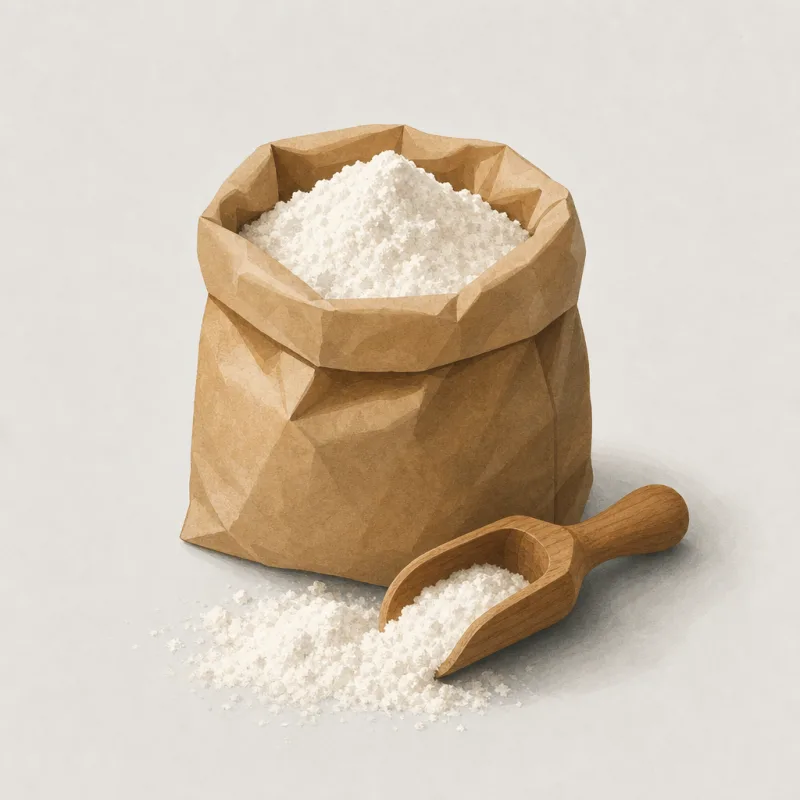
| Flour | ~1 year | still good |
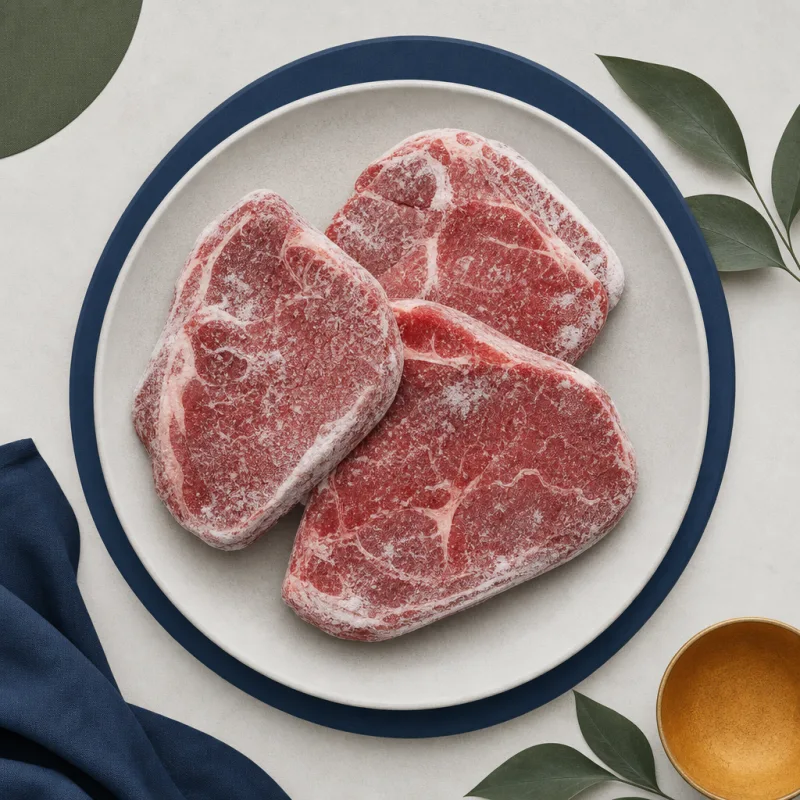
| Frozen Meat | 3–12 months | still good |
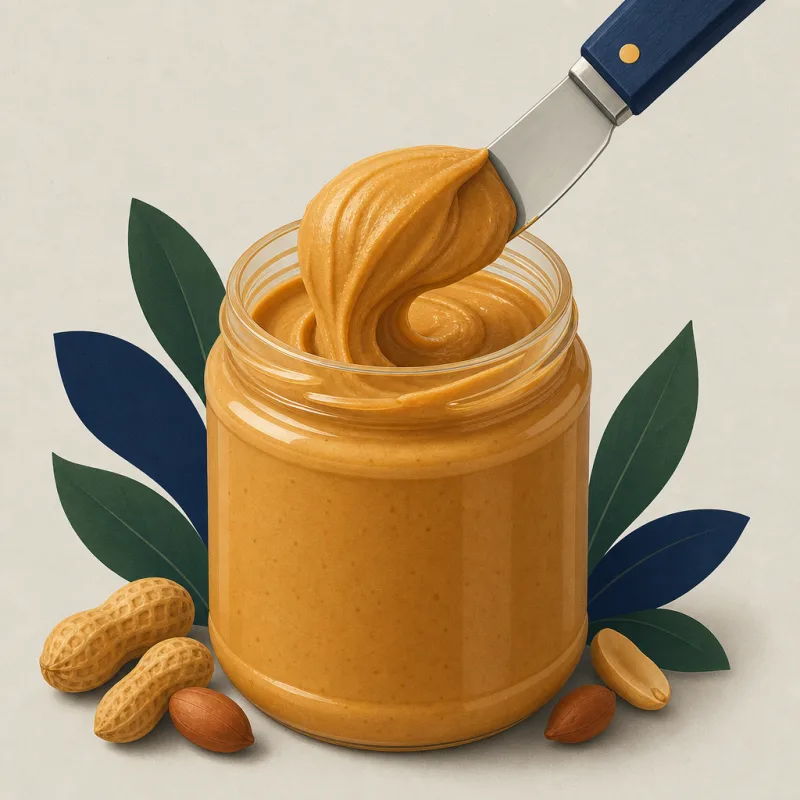
| Peanut Butter | 2–3 months | still good |
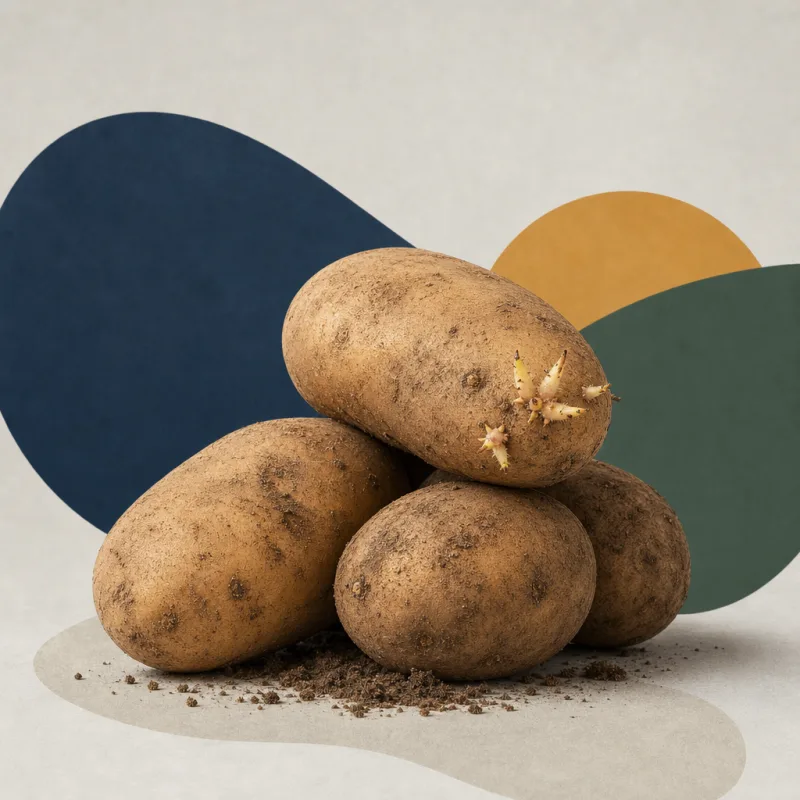
| Potatoes | 2–3 months | still good |
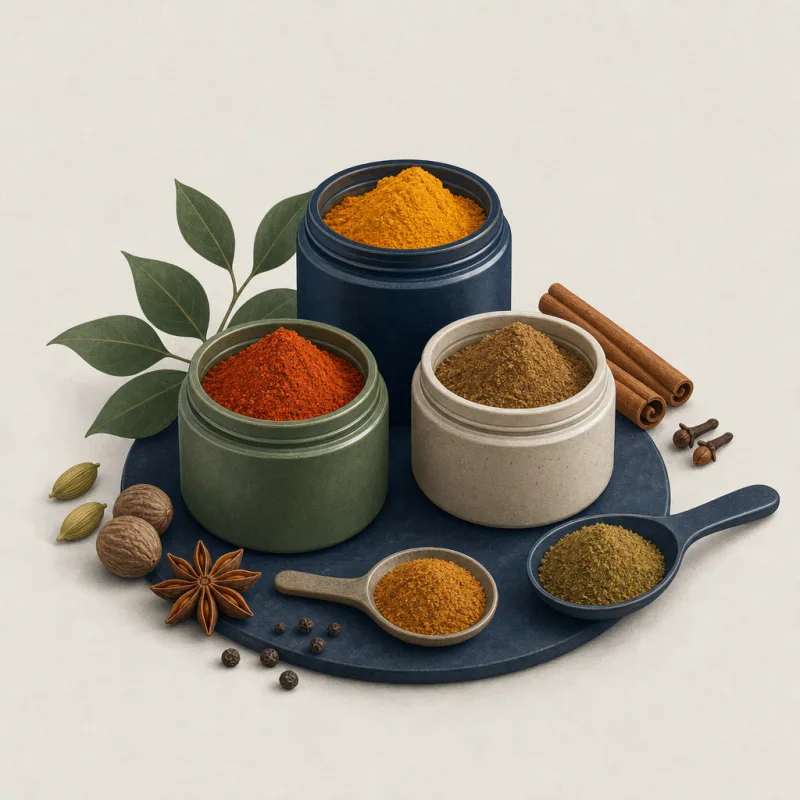
| Spices | 1–4 years | still good |
| Tea | 1–3 years | still good |
| Mayonnaise | 2–3 months | still good |
| Mustard | 1 year | still good |
| Rice | years | still good |
| Beer | 6–9 months | still good |
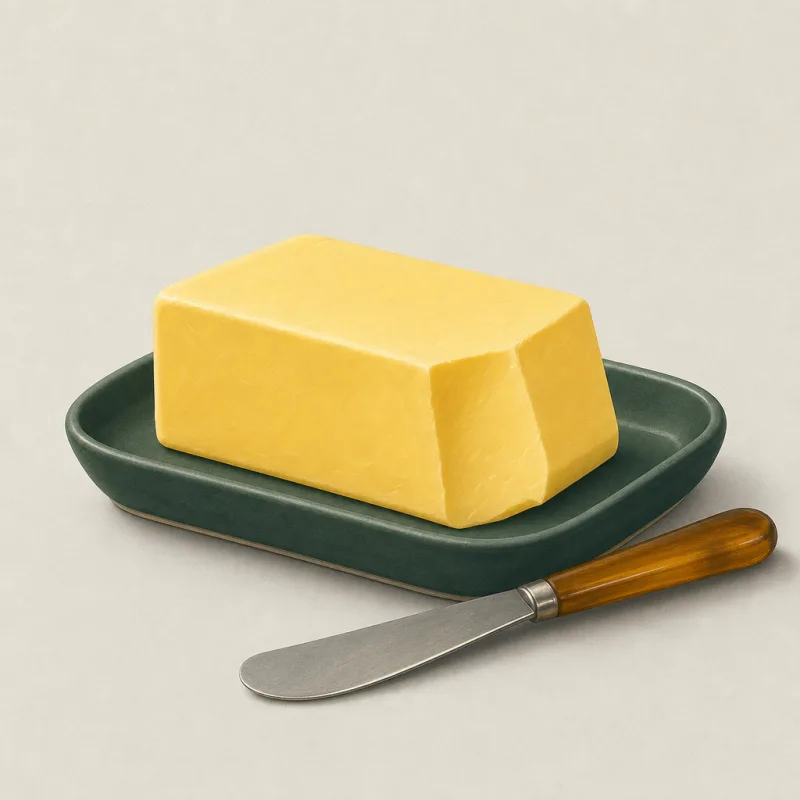
| Butter | 1–3 months | still good |
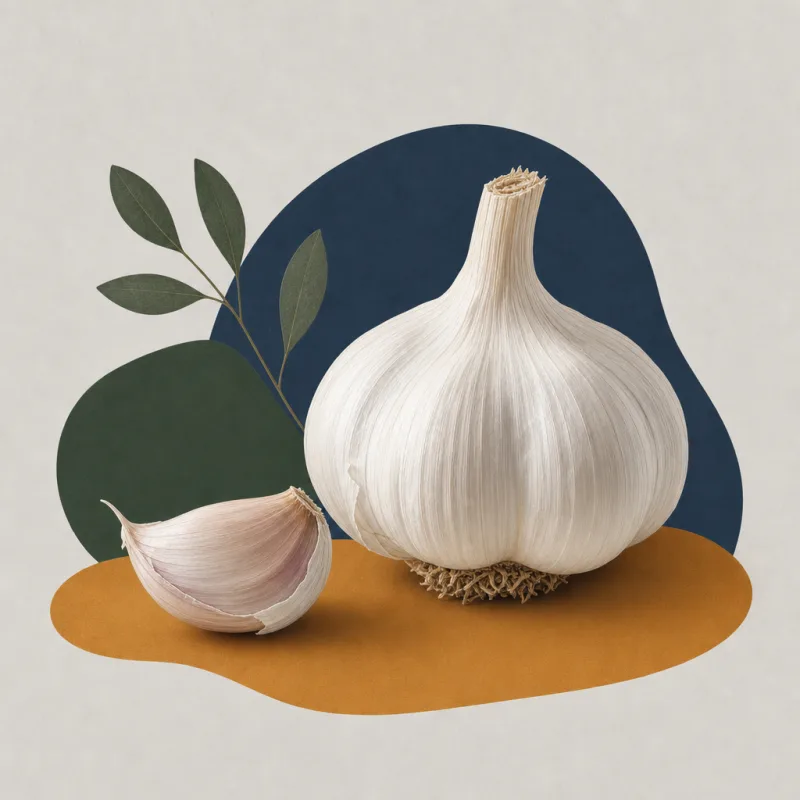
| Garlic | 3–6 months | still good |
| Chocolate | 1–2 years | still good |
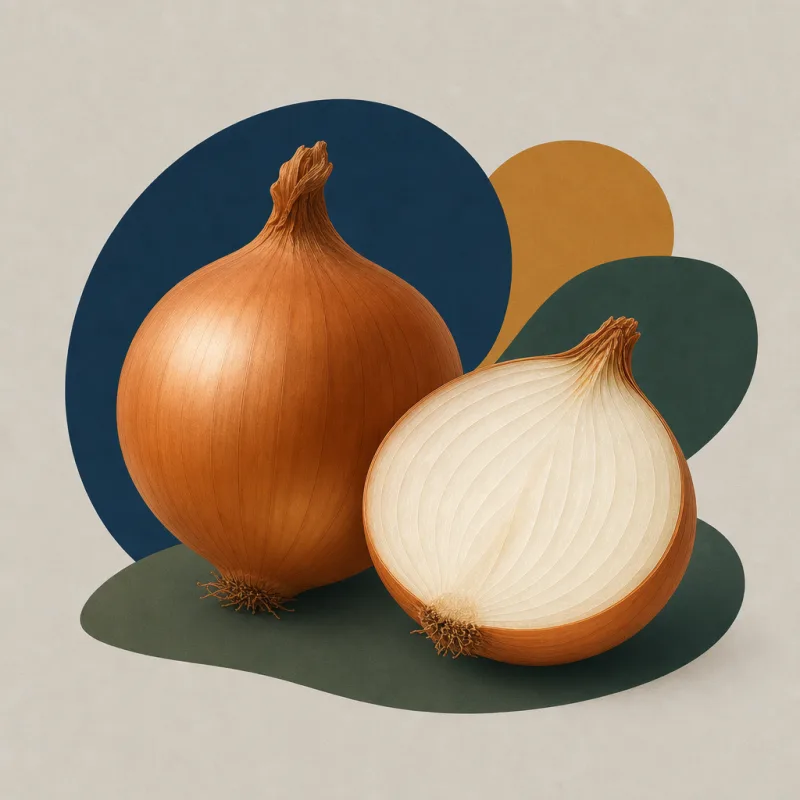
| Onions | 1–3 months | still good |
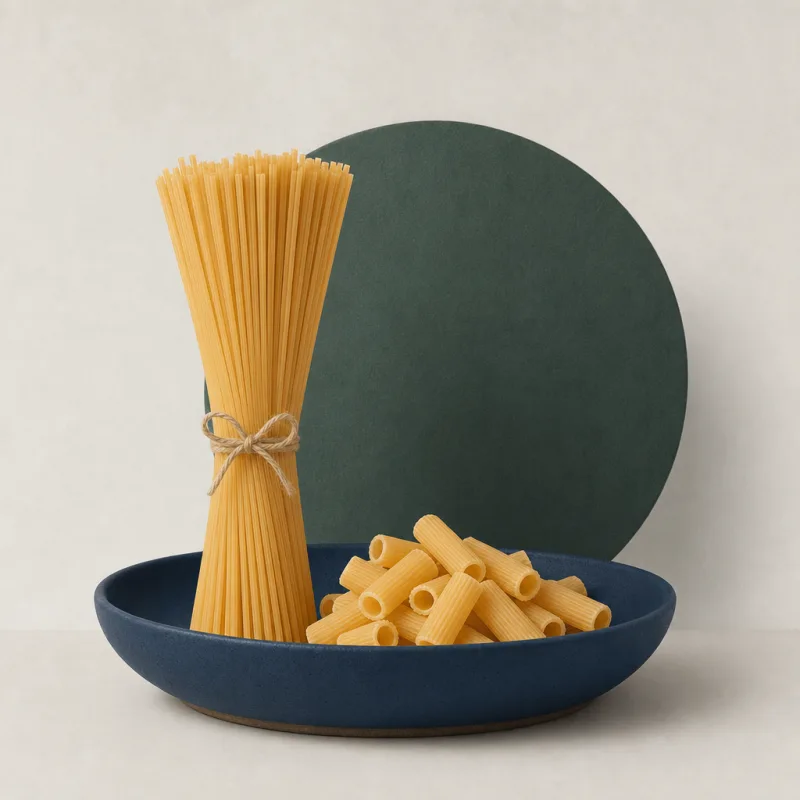
| Pasta | years | still good |
| Vodka | years | still good |
| Whiskey | years | still good |
| Gin | years | still good |
| Maple Syrup | 1 year | still good |
| Rum | years | still good |
| Ketchup | 1–6 months | still good |
Good to know
In the kitchen it pays to look past the date. A Best-By date is the manufacturer's quality guarantee, not a throw-away deadline — many foods are perfectly fine well beyond it. A Use-By date, on perishable items like ground meat or fresh fish, is different: it is about safety, so discard the product after it.
Your most reliable test is your own senses — look, smell, taste a small amount. Mould, a fermented or rancid smell and a changed texture are clear stop signs. Storing food well — cool, dry, airtight and on a first-in, first-out basis — noticeably extends its life and means far less ends up in the trash.
Keeping food fresh: the three biggest levers
Three habits noticeably extend the life of most foods. First, temperature — a fridge has zones: the top shelf is warmer, the shelf above the crisper drawer is coldest and ideal for meat and fish, and the door is warmest, suited only to robust items like mustard or butter. Second, air — reseal opened packs airtight, because oxygen and moisture speed up spoilage. Third, order — store on a first-in, first-out basis so nothing disappears unused to the back.
Freezing is an underrated helper too: bread, cheese, cooked leftovers and many fruits and vegetables freeze well in portions and thaw when needed — rescuing food that would otherwise have to be eaten in time. Just use delicate items like dairy for cooking and baking rather than eating straight after thawing.