Safety & First Aid
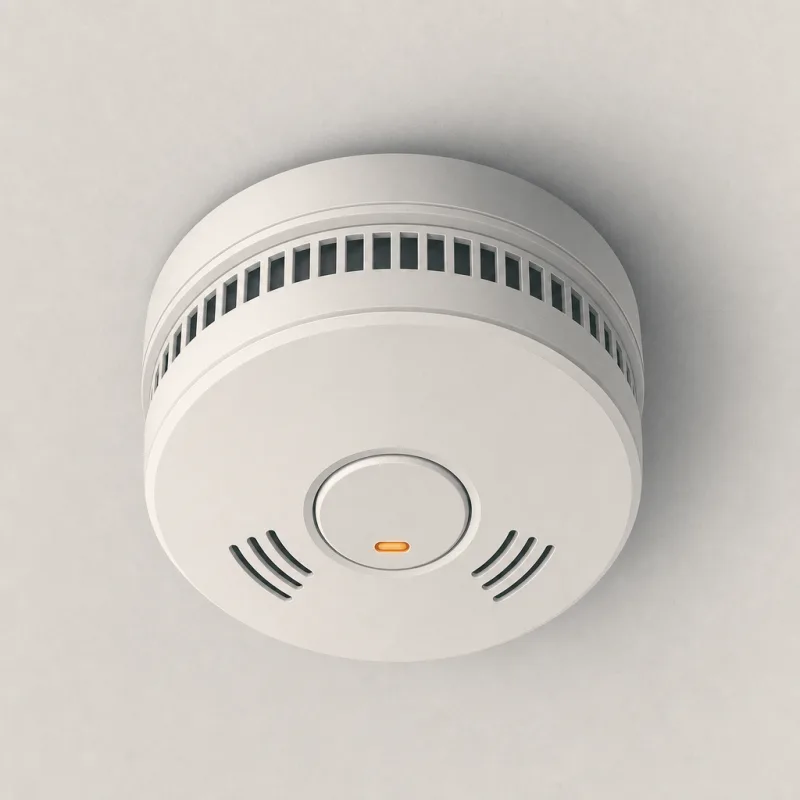
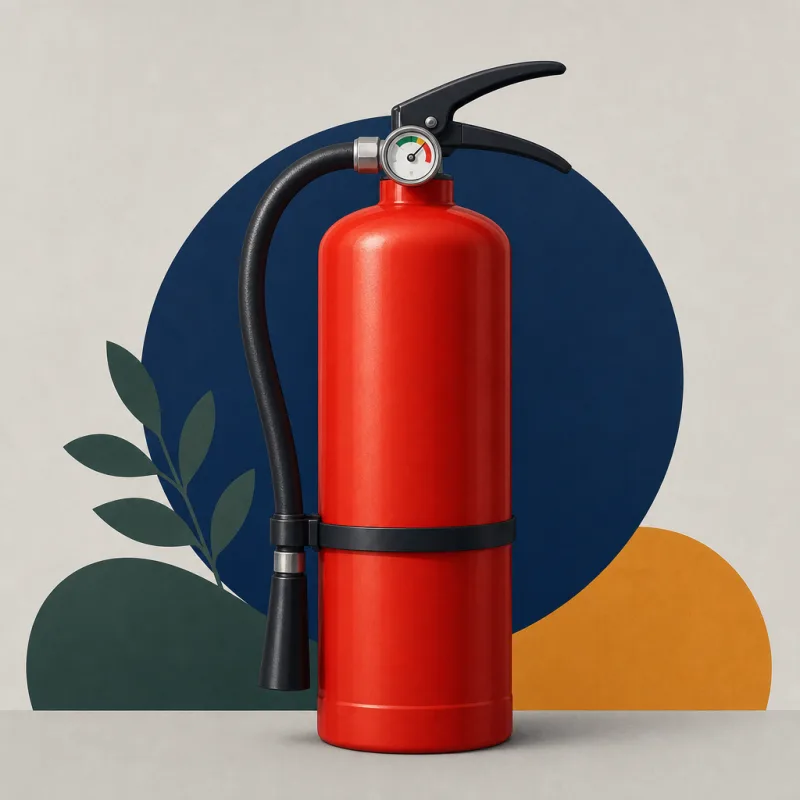
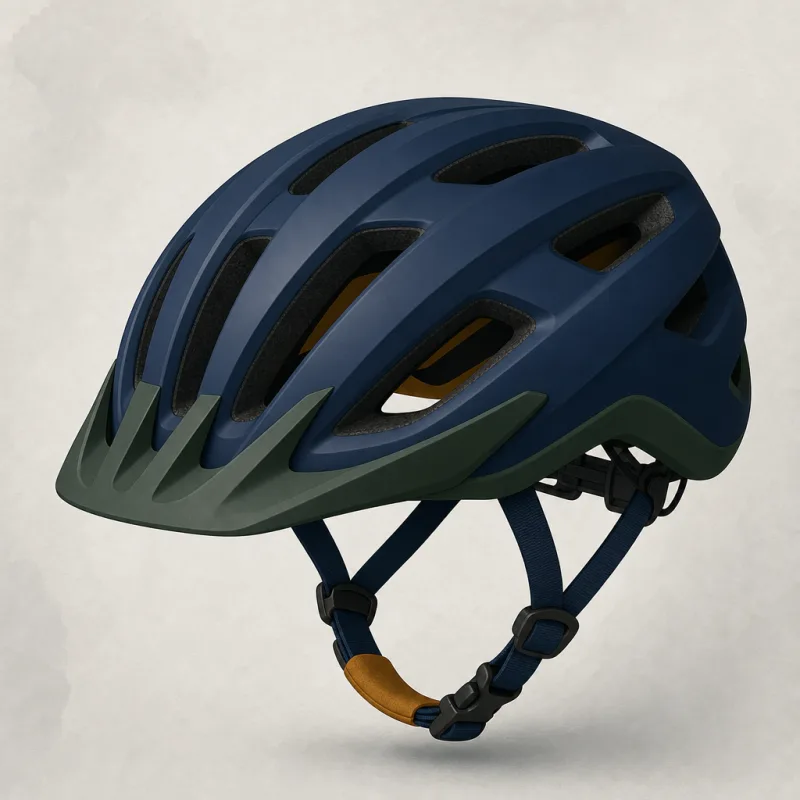
Bike helmet, smoke alarm, fire extinguisher — where safety beats "it will do for now".
Safety-critical items follow a different rule than everything else: when in doubt, replace rather than keep. An old bike helmet or an out-of-date fire extinguisher can look intact and still fail when it matters. Here are the binding intervals, the inspection cycles and the clear signs that a replacement is due.

Quick overview
| Item | Shelf life | Status |
|---|---|---|
| Smoke Detector | 10 years | replace |
| Carbon Monoxide Detector | 5–7 years | replace |
| Fire Extinguisher | 10–12 years | check soon |
| Child Car Seat | 6–10 years | check soon |
| High-Visibility Vest | 5 years | check soon |
| Fire Blanket | 7 years | check soon |
| First-Aid Kit | ~5 years | check soon |
| Bike Helmet | 5 years | still good |
| Warning Triangle | 10+ years | still good |
Good to know
With safety-critical items, one simple rule applies: when in doubt, replace. A bike helmet, a smoke alarm or a fire extinguisher can look perfectly fine and still fail when it matters — a helmet's foam core is crushed inside after a crash, a smoke alarm's sensing chamber clogs with dust over the years. "Still looks good" is not a reliable measure here.
Many of these intervals are binding or standardised: replace smoke alarms after ten years, and a helmet immediately after any hard impact. After an event — a crash, a fire, a discharge — the rule is to replace, not reuse. The cost is small; the risk if it fails is high. That is why safety clearly comes before saving here.
Testing and replacing: the key intervals
Safety products need fixed routines rather than guesswork. Test smoke alarms monthly with the test button, replace the battery the moment it chirps, and swap the whole unit after ten years at the latest — the electronics age even with the best care. Fire extinguishers need servicing every couple of years and have a limited service life depending on type. A bike helmet should be replaced immediately after any hard impact, and otherwise every few years, because UV light and sweat age the foam core.
The key is to record the date: a sticker with the purchase or install date on a smoke alarm and helmet removes any later guesswork. That turns "it will surely still do" into a checkable decision — and in an emergency, the thing you rely on works.