Engine Oil
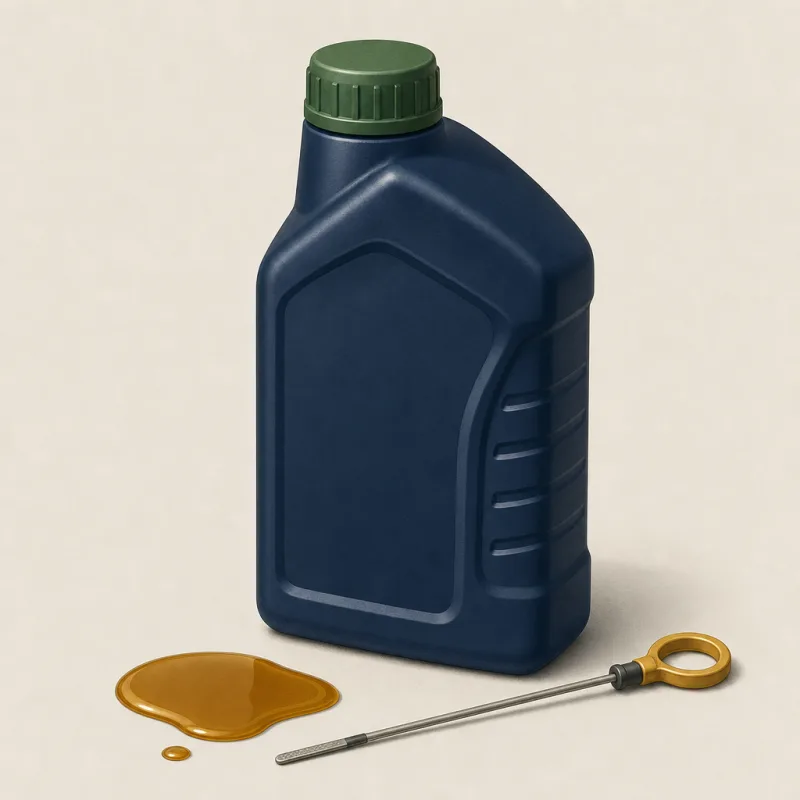
Change engine oil about every 5,000 to 7,500 miles or every one to two years — per the maker spec. With lots of short trips, more often.
Per the maker spec, usually every 1–2 years
Engine oil is a consumable and must be changed regularly. Exactly when is set by the vehicle maker — on modern cars usually every 5,000 to 7,500 miles for synthetic oil, or every one to two years, whichever comes first. Older cars and conventional oil may call for shorter intervals. The exact figure is in the service book or calculated by the dashboard maintenance minder.
Why change it at all? Oil lubricates, cools and cleans the engine. Over time it loses its lubricating power, collects soot, wear particles and combustion residue and thins out or sludges up. Old oil protects the engine less well, which over the long run can lead to increased wear and costly damage. The regular change is thus one of the cheapest and most important maintenance jobs there is.
If you drive lots of short trips, change the oil more often — about once a year, even if the mileage limit is not reached. On short drives the engine does not fully warm up, and fuel and condensation get into the oil and age it faster. Frequent towing or many cold starts stress the oil more too.
A simple self-check is the dipstick: with a cold engine on level ground, pull it out, wipe it, reinsert and read. The level should be between minimum and maximum. Fresh oil is honey to amber coloured, old oil turns dark brown to black. Also important is the right oil with the viscosity and approval the maker requires — and the oil filter, which is always replaced with the change.
How do I spot a due oil change?
Several signals show it is time:
The dashboard minder or the mileage or time interval reached is the most important signal.
If the oil on the dipstick is deep black and thin, it has absorbed a lot of soot.
If the oil warning light comes on, stop at once and check the level — it can mean low oil.
Change interval at a glance
Mileage or time — whichever comes first counts:
| Situation | Change |
|---|---|
| Synthetic, per spec | 5,000–7,500 miles |
| By time | every 1–2 years |
| Lots of short trips | yearly, or sooner |
| Oil warning light / low level | check at once |
Check & protect the engine
This keeps the engine well lubricated:
Keep the interval — follow the maker spec and minder, replace the oil filter too.
Check the level — read the dipstick regularly, top up if needed.
Right oil grade — use only the required viscosity and approval.
Mind short trips — change more often with lots of short drives.
Common myths
A few myths surround engine oil:
No — time counts too; little-driven oil ages as well and should be changed yearly.
No — adding fresh oil only dilutes the old; the residue stays in the system.
Not at random — what matters is the specification the maker requires, not the price.
Used oil must never go down the drain or into the environment — even small amounts contaminate large amounts of water. When you buy new oil, shops and retailers take back the same amount of used oil for free. If you change it yourself, collect the used oil in a sealed container and hand it in there or at a recycling center.