Nail Polish
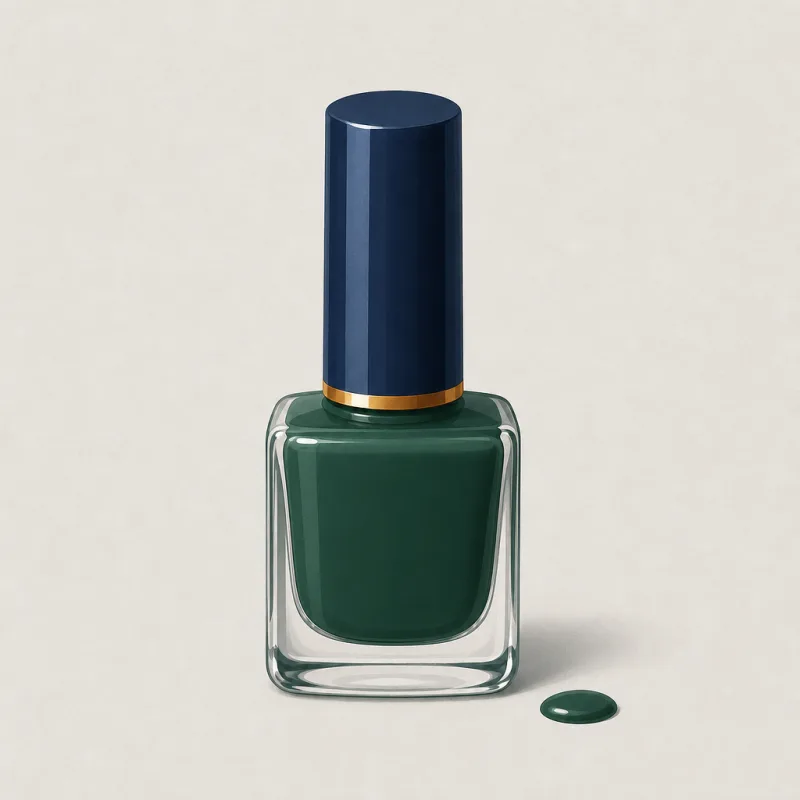
Nail polish keeps about 1 to 2 years opened. When it turns thick, stringy or the colour separates, it is done — but it is not a safety risk.
Solvent evaporates, polish thickens
Nail polish does not spoil in the strict sense, but it ages. Unopened and stored cool and dark it keeps about two years, once opened one to two years. What makes it unusable is usually not spoilage but the evaporation of the solvents: over time the polish turns thick, gloopy and no longer goes on evenly.
Every time you open it, some solvent escapes and air gets into the bottle. So nail polish keeps longer if you always seal it well and keep the neck clean — dried polish around the rim otherwise stops the bottle sealing properly. Upright, cool and dark storage also slows the thickening noticeably.
A second sign of age is separation: after long standing the colour pigments settle at the bottom and clear liquid remains on top. That is not spoilage — gently rolling the bottle between your palms mixes the polish again. Avoid shaking, though, as it introduces air bubbles that spoil the finish. Only if the polish stays thick, lumpy or stringy despite mixing is it truly done.
Old nail polish is not a safety risk — at worst it is unpleasant to apply. It is different if there is a strongly changed, chemical smell or the texture has turned rubbery; then replace it. The most common reason to toss it, though, is simply thickened polish that no longer spreads.
How do I spot old nail polish?
Old polish shows through texture and flow:
The polish is gloopy and strings instead of flowing smoothly and evenly.
The pigments have settled at the bottom — roll first, then judge.
If the polish stays lumpy despite mixing, it is unusable.
Shelf life at a glance
Once opened, texture is what counts:
| State | Shelf life |
|---|---|
| Unopened (cool, dark) | about 2 years |
| Opened | 1–2 years |
| Colour separated | roll, then keep using |
| Thick despite mixing | replace |
Keep it usable longer
This keeps nail polish spreadable longest:
Upright, cool, dark — slows the thickening.
Seal tightly — close it well each time, or the solvent evaporates.
Keep the neck clean — wipe dried polish off the rim.
Roll, do not shake — mixes the colour without troublesome bubbles.
Common myths
A few myths surround nail polish:
No — it does not spoil, it just thickens as the solvent evaporates.
Rolling is better — shaking brings air bubbles that spoil the application.
Not at once — a few drops of nail polish thinner can often save it.
Thickened nail polish can often be made spreadable again with a few drops of dedicated nail polish thinner. Acetone or nail polish remover are unsuitable, as they break the polish down and ruin the colour. A cleanly sealed neck, though, is the best prevention so it does not thicken in the first place. Another trick for smooth results: if the polish is too thick in winter, briefly warming the closed bottle in warm water helps it flow again. And wiping the brush stem and bottle rim with a little remover after each use keeps the bottle sealing well for a long time.